| Vocabulary |
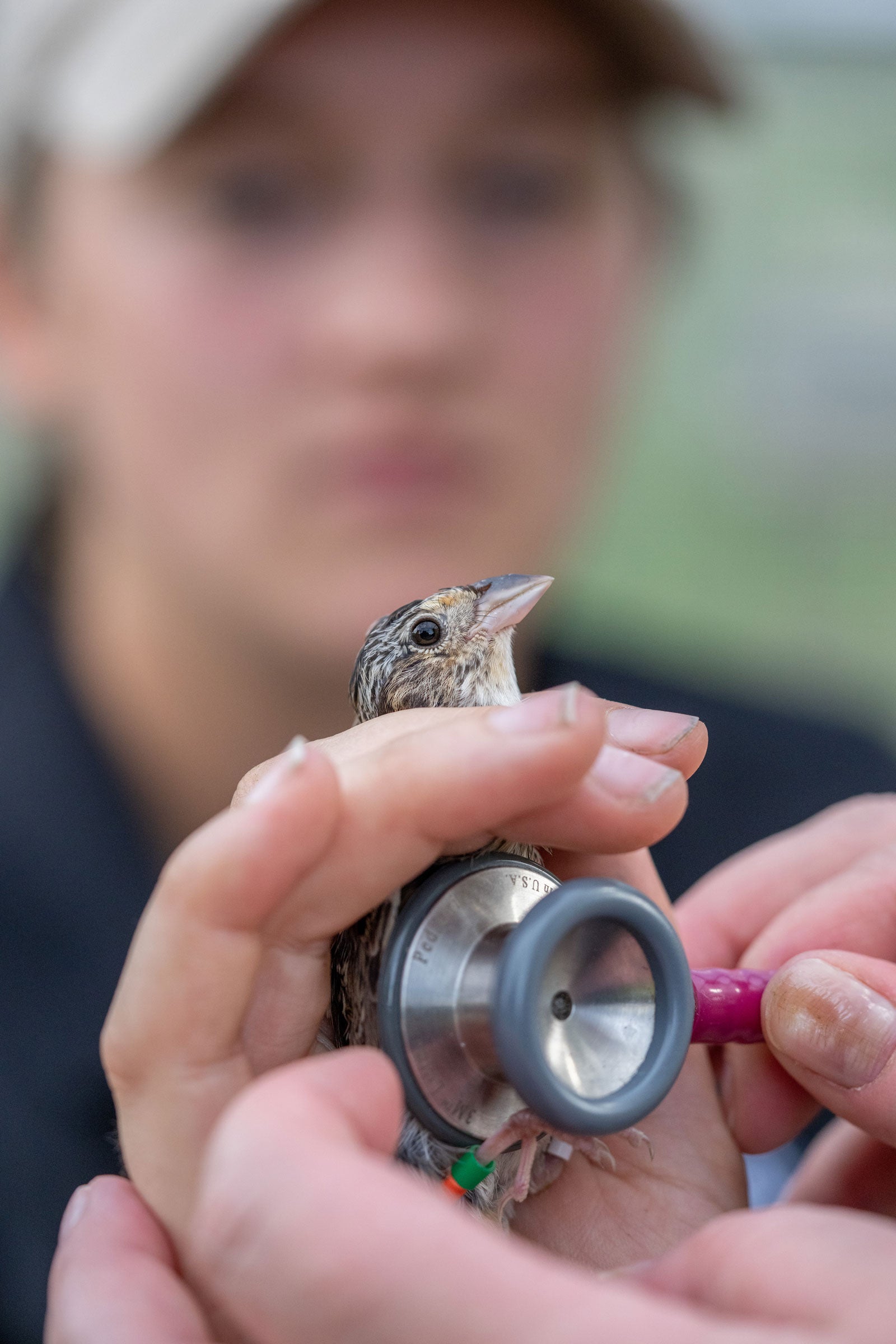
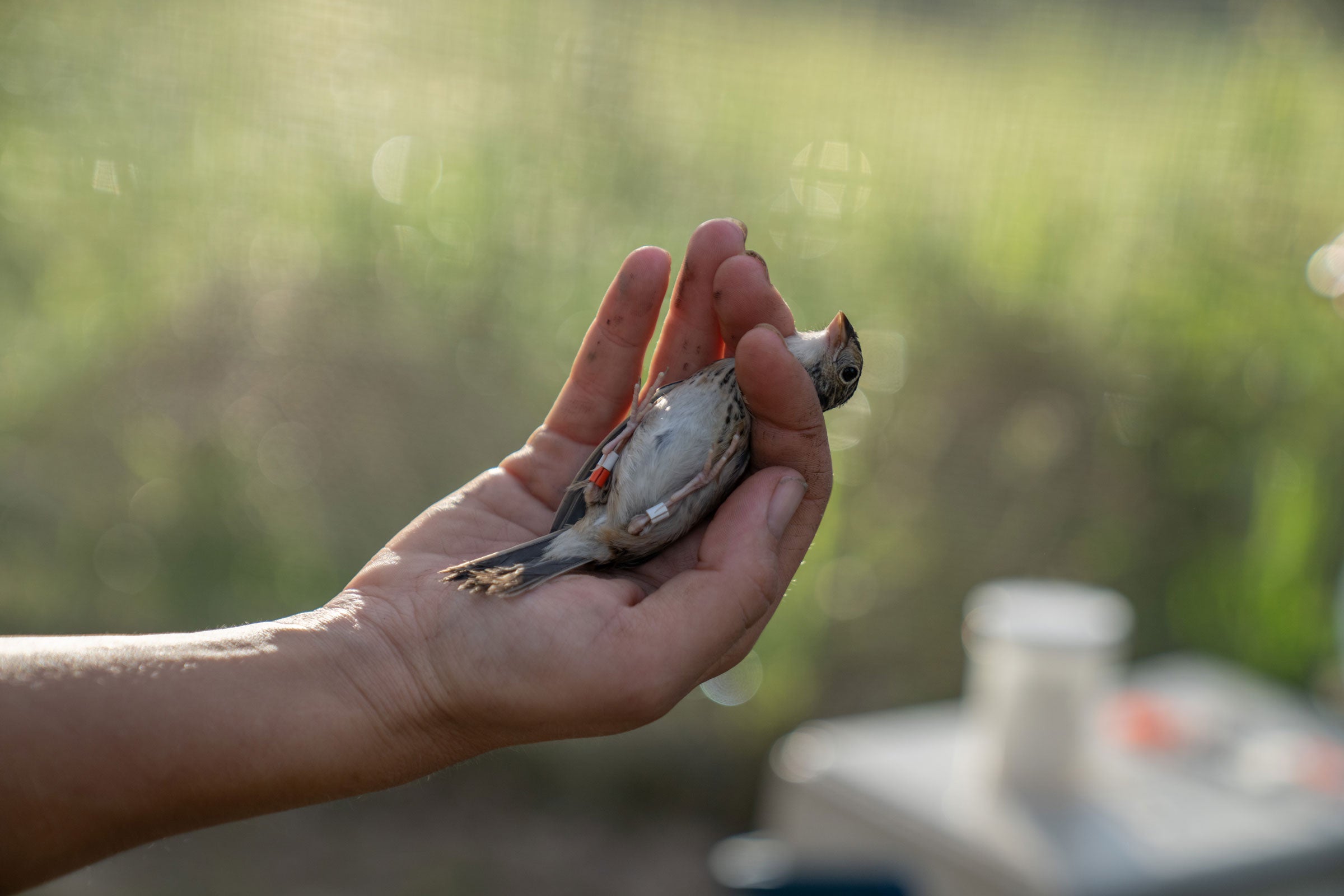
- Captive breeding program: A conservation method where endangered species are bred in controlled environments
- Florida dry prairie: An ecosystem that is a natural habitat for these sparrows
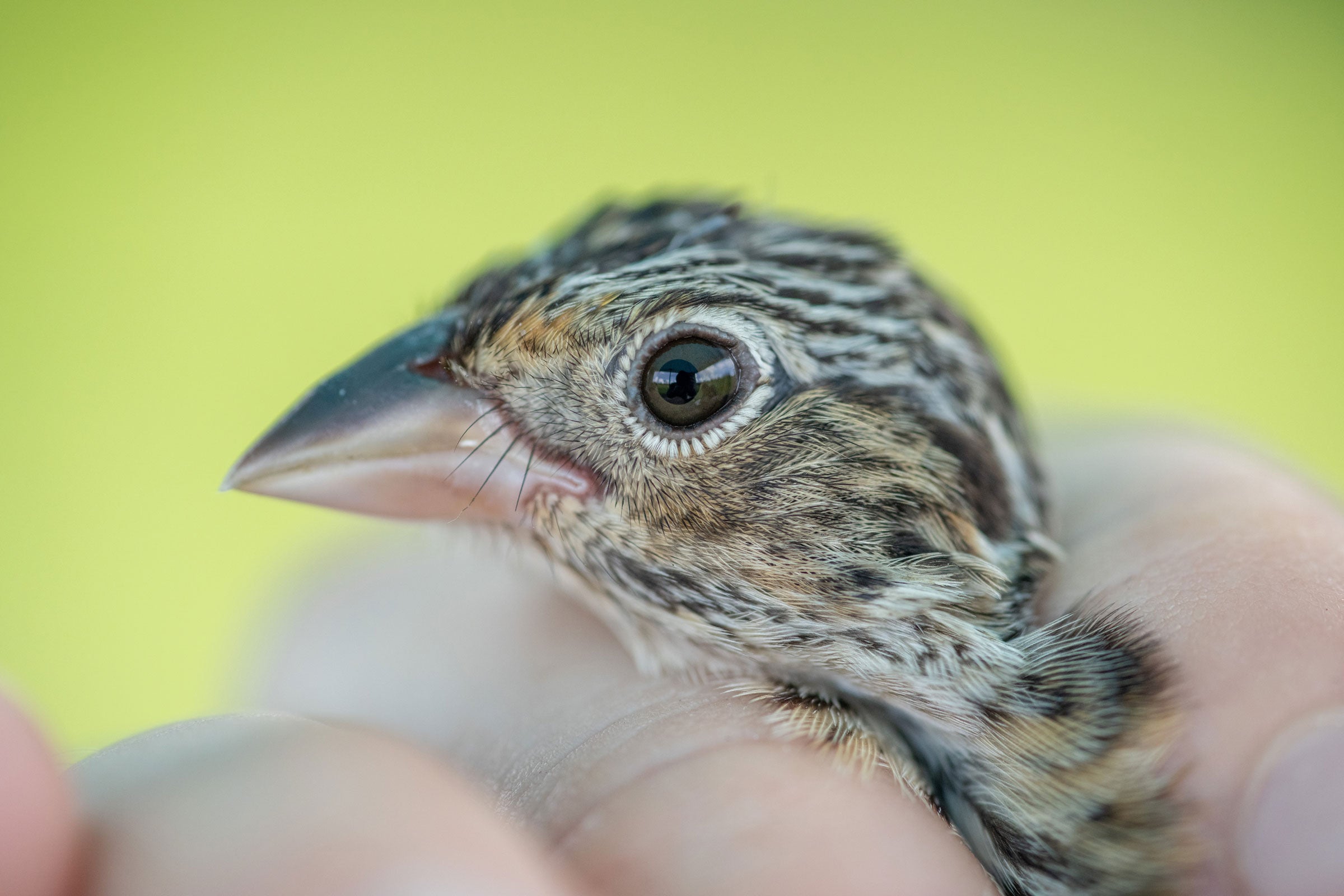
- Subspecies: A distinct form or race of a species with unique characteristics
|
| Solutions |
- Collaborative captive breeding program established
- Release of captive-bred birds into protected areas
- Multiple organization partnerships (FWS, FWC, Audubon Florida, etc.)
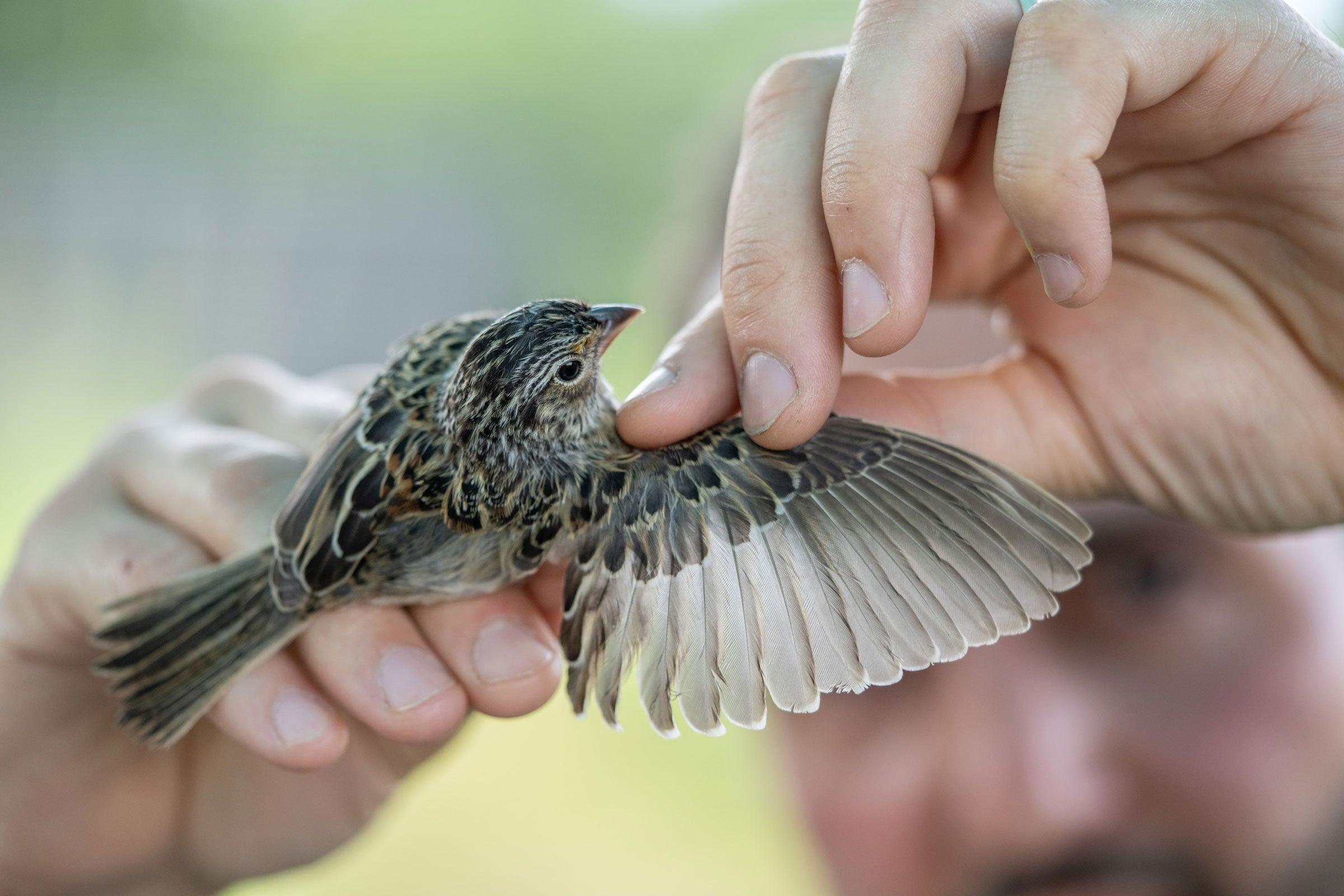
- Ongoing monitoring and research
|
| Reflection |
This story highlights how coordinated conservation efforts can prevent extinction, stressing the importance of acting quickly and learning from past failures like the Dusky Seaside Sparrow. The success raises questions about applying these methods to other species and the long-term sustainability of such programs.
|